


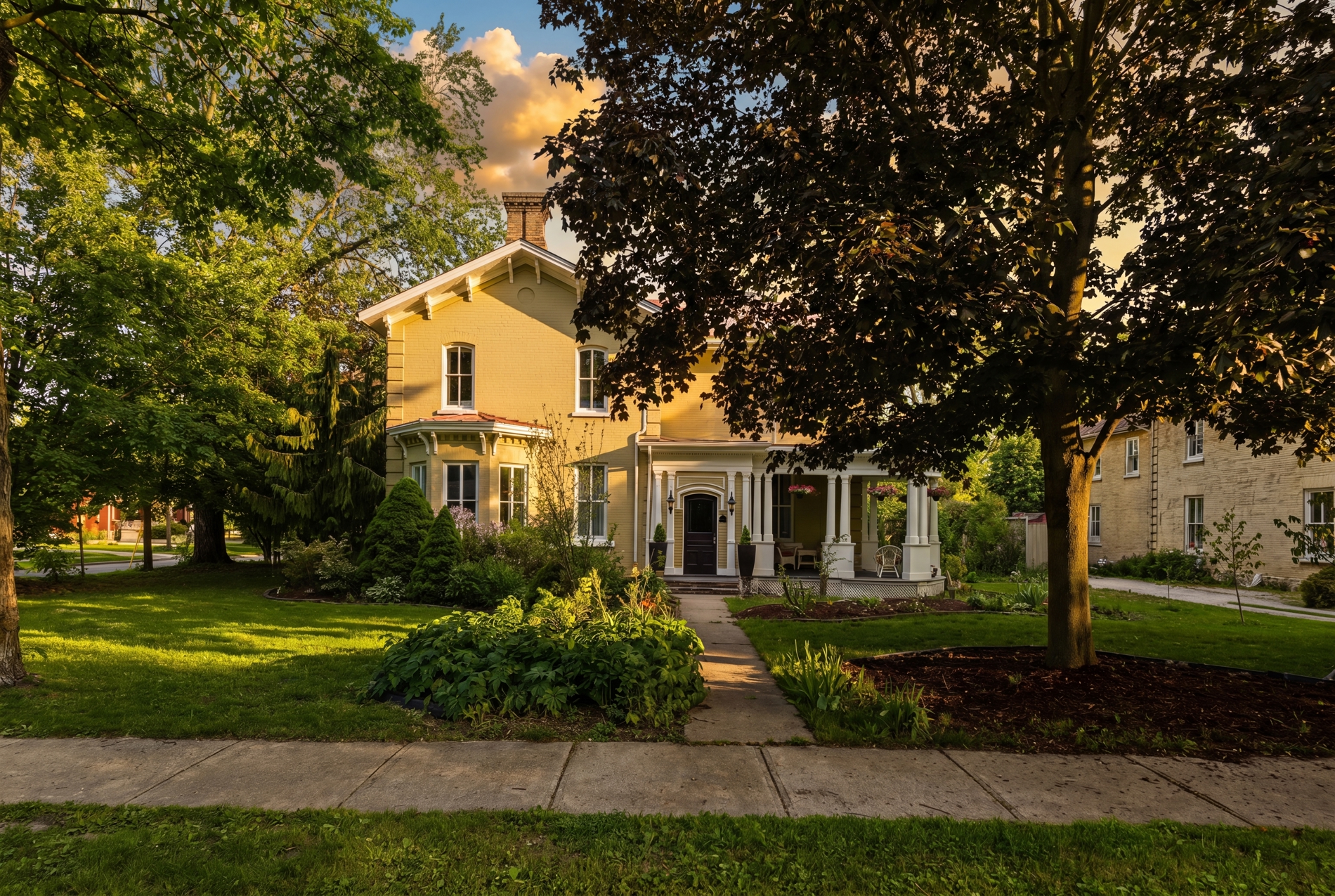
A story. And an invitation.
There was a time on Shrewsbury Street when Friday evenings had a rhythm.
Someone would set chairs on the porch. A neighbour would spot them from down the block and arrive with something cold. By five-thirty, there were six people on the same wooden boards that had held a hundred years of summer evenings, passing the week's stories back and forth under the maples.
Streets like this one were built for exactly that. And the bones of it are still here, in the wide shaded sidewalks, the front porches that face each other across a quiet road, the gardens that tell you, immediately, these are people who care.
I've thought a lot about who belongs here. And I think I know.
Maybe you've been coming to Stratford for years. The Festival every summer, a favourite restaurant, a long weekend that you still talk about. You've walked Shrewsbury Street more than once and felt something you didn't quite name. Something about the scale of it. The trees. The way the houses sit back from the road with a kind of confidence.
Or maybe you grew up in a heritage home or always wanted to. You know the feeling of a house that has weight — not square footage, but history you can put your hand on. Original hardwood that speaks when you walk across it. Plaster walls thick enough to hold the warmth in. Baseboards so substantial they seem to anchor the room to the earth below.
You've been working hard and have built something real. A good life, a full career, maybe still going strong. But something has been quietly asking a different question.
What if the commute wasn't the given? What if the neighbourhood actually knew your name?
The house has been waiting since 1874.
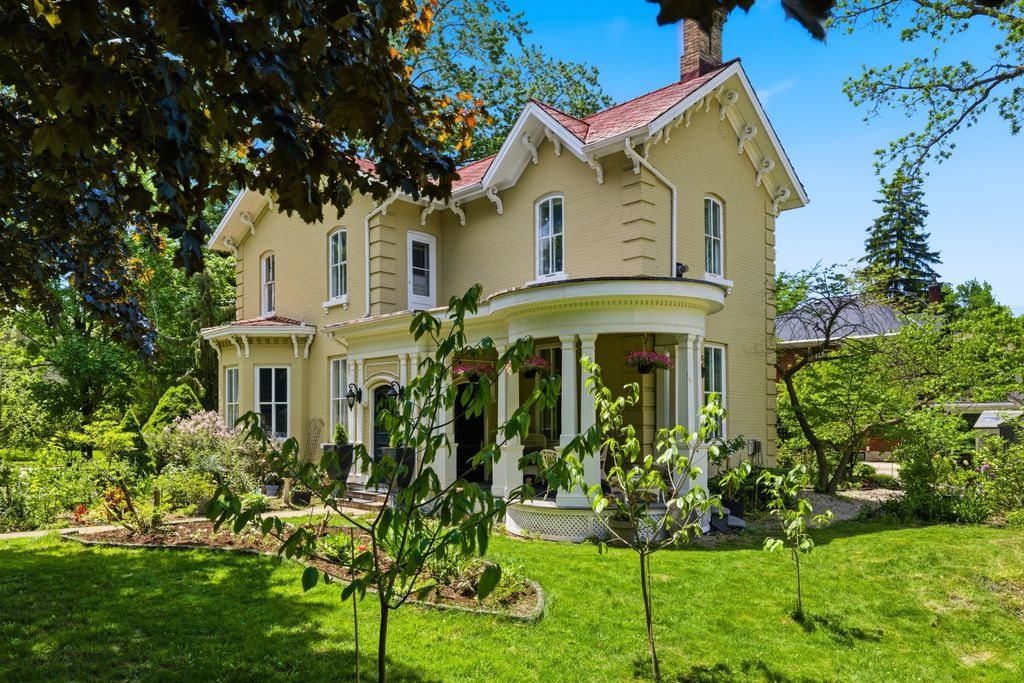
30 Shrewsbury Street is one of those homes that stops people on the sidewalk. It doesn't shout. It doesn't need to. A fine example of Ontario Italianate architecture with Gothic Revival influences, it carries the wide bracketed eaves, the canted bay window, and the columned entrance portico that defined the most coveted addresses in southwestern Ontario in the 1870s. A “chocolate box house,” people call it here. The kind of home that looks exactly as it should, because it was built in a time when that mattered enormously.
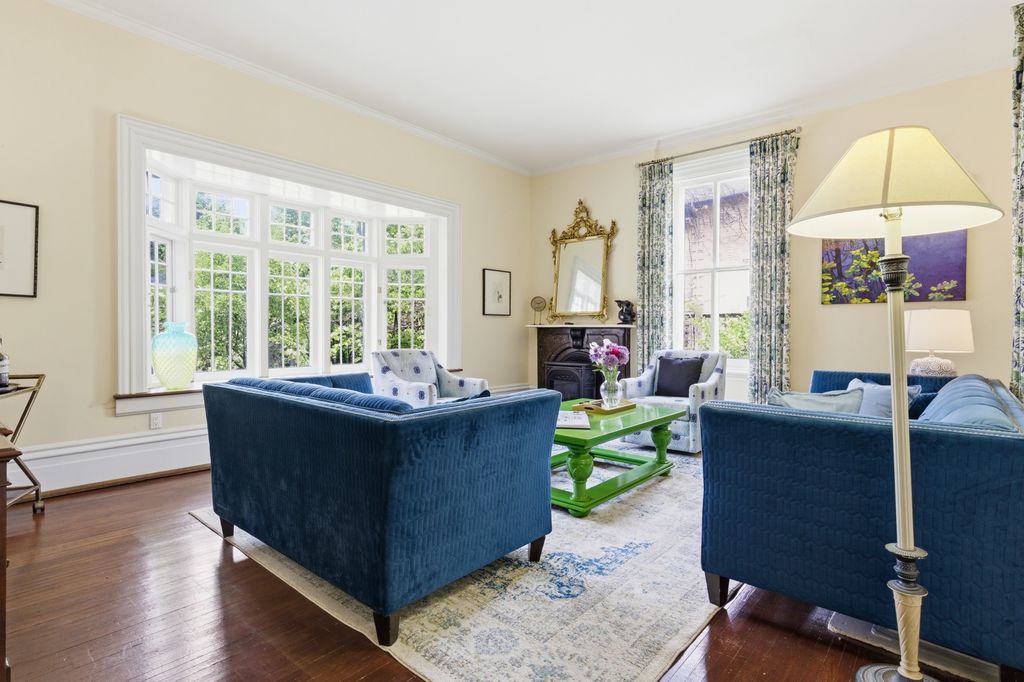
Inside, the 10½-foot ceilings and 14-inch original baseboards set a tone you feel before you understand it. The current owners have dressed the rooms with the deep, botanical richness of William Morris — jewel colours, layered pattern, an instinct for beauty that is earned rather than purchased. It is the kind of interior that makes complete sense in a house like this, where the architecture was always asking for that same hand. 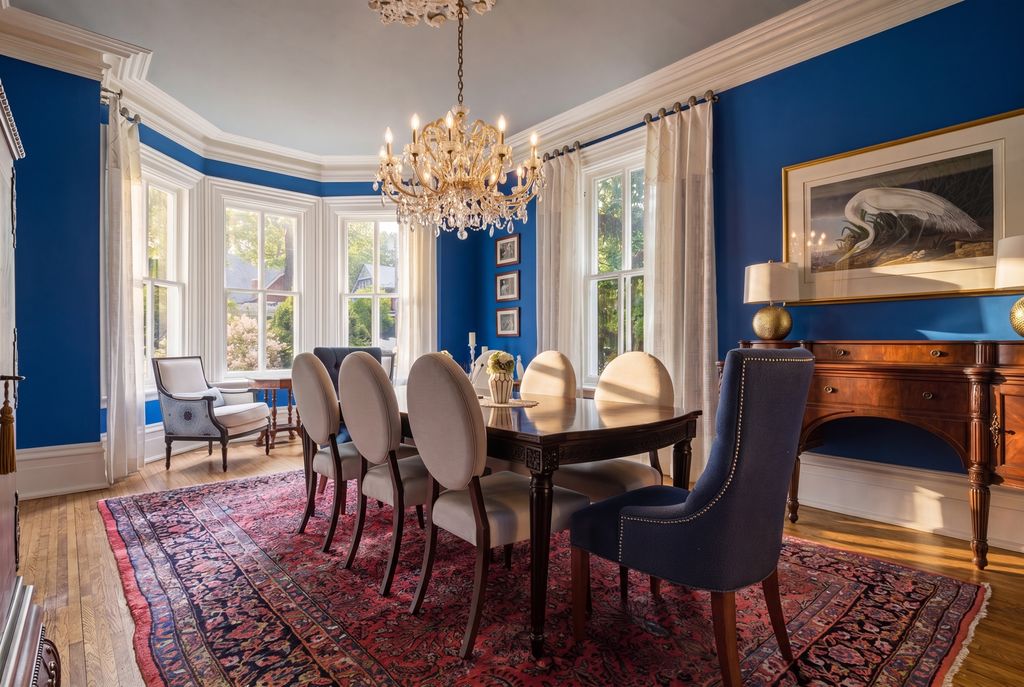 The formal living room has a gas fireplace and bay windows that look out onto a private garden. The kind of room where a book and a glass of wine are the only things required. The dining room has a plaster ceiling medallion — 19th century, preserved in pristine condition — presiding over a space that was made for gatherings. Where dinner becomes an event without anyone deciding it should.
 Off the dining room, a morning room with custom twin bookshelves and a window box catches the early light. It's currently a sitting room. It would make an equally beautiful home office, library, or the place where you drink your first coffee before the day begins.
The kitchen was renovated with soapstone counters, a Viking range, and French doors that open to the patio — one of those renovations that respects what came before rather than overwriting it. There's a large walk-in pantry and a separate side entrance for daily life. And just off the side porch, connected to the house by a covered passage, there's a potting shed. For the serious gardener, this is not a small thing.
The loft is something else entirely.
Upstairs, past the primary bedroom with its second gas fireplace and its updated ensuite with heated floors and a rain shower, past two more bedrooms and an art studio with glass-panel entry… there's a loft. 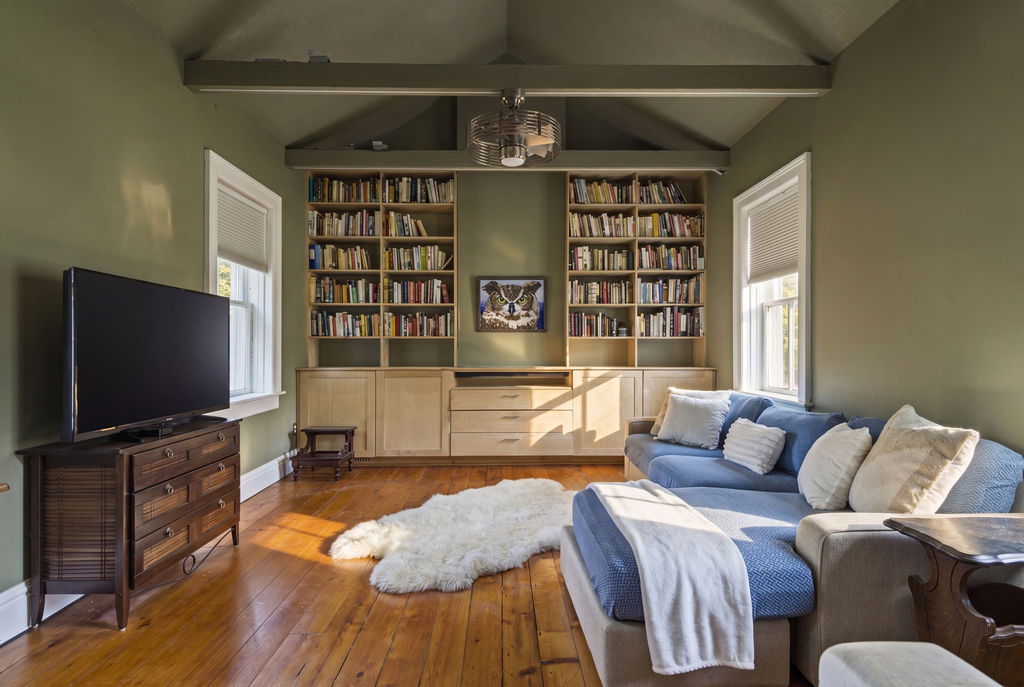 Wide plank pine floors. Exposed beam ceilings. A floor-to-ceiling wall of built-in bookshelves. A space of genuine stillness.
The late Graham Greene renovated this loft during his years here, from 2011 to 2018. The celebrated Canadian actor and his wife Hilary invested in this home with care and intention, and the loft carries that spirit. It's the kind of space where you understand, immediately, why someone would want to stay.
The garden will find you in every season.
Perennial beds throughout the grounds mean colour shifts from spring through autumn without demanding constant attention. Mature trees frame the property and, frankly, do more for privacy than any fence ever could. There's a new garden shed. And there's that potting shed, which any serious gardener will understand is worth more than it appears on a spec sheet. 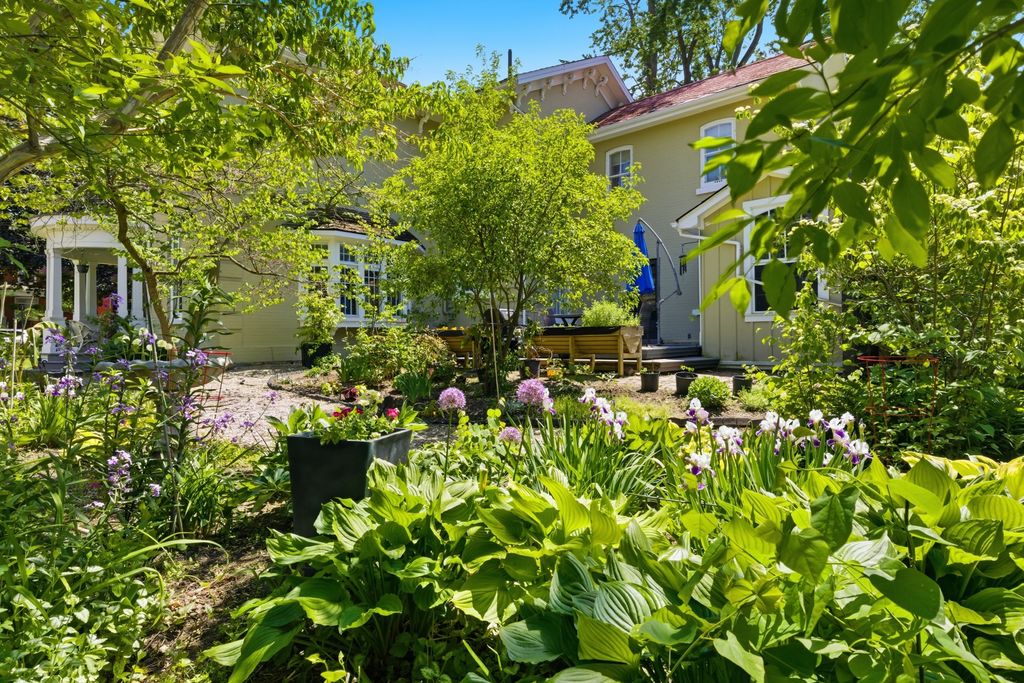 The current owner is a gifted stained glass artist, and her works — included in the sale — catch the light throughout the home. The windows glow at different hours of the day. It's the kind of house where you look up, often, because something is always worth noticing.
About Stratford.
The GO Train now stops here. From Union Station, you are in a different world in 90 minutes — one where the streets are wide and tree-covered, the traffic is minimal, and the neighbours wave from their porches.
Lake Huron is an hour west. The Stratford Festival runs from spring through fall, bringing world-class theatre to a city that has organized itself, over generations, around the idea that art is not a luxury.
There are galleries, restaurants that earn their reputations, farmer's markets that draw the whole town, a literary festival, a jazz festival, and the kind of social calendar that fills itself because the community generates it. People here are not waiting for the weekend to start living. 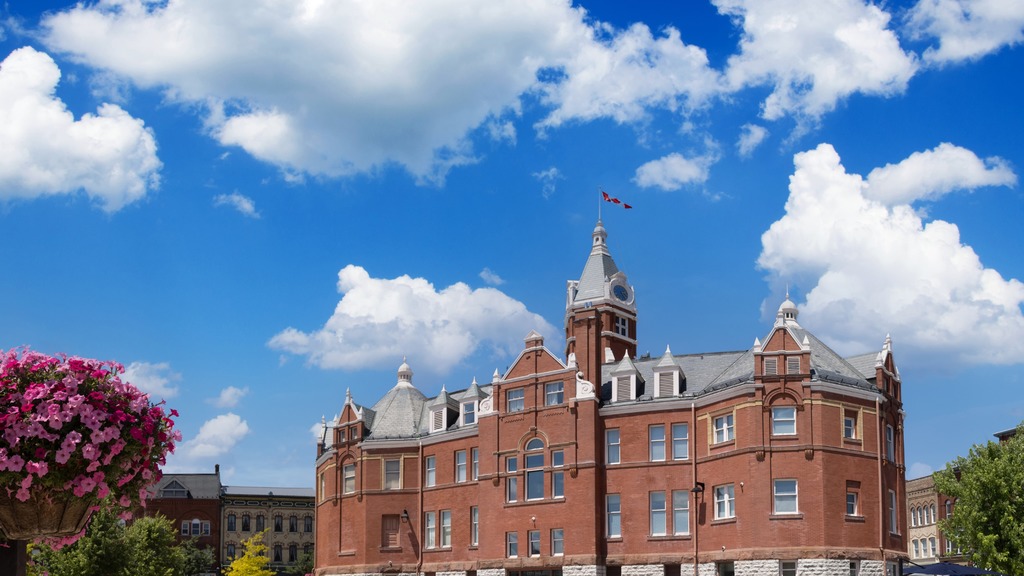 And the neighbours on Shrewsbury Street are people who chose this, deliberately. House-proud people who watch out for each other and notice when something isn't right and do something about it. The kind of street where the front porch still means something.
A house like this is rare. Because of the way it holds time. Because of what it asks of you — to slow down, to put down roots, to be somewhere that means something.
The strawberry breakfast in the garden in June. The Friday cocktail hour with people who have become, quietly, your people. The summer evening when the light comes through the stained glass at the right angle and you sit there and don't want to be anywhere else.
That feeling is available. 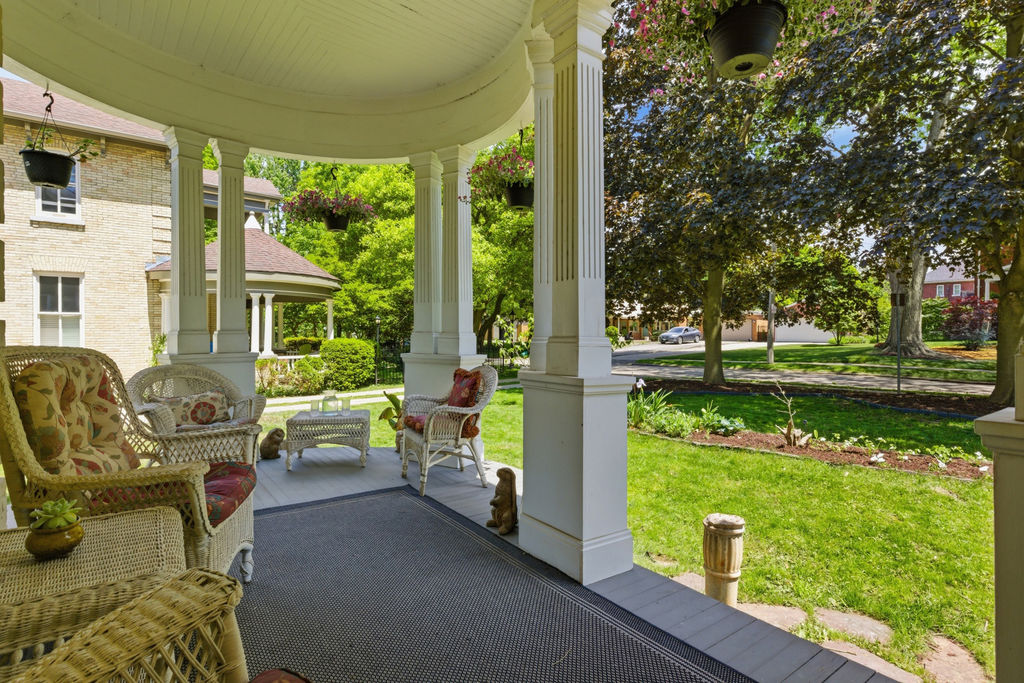 30 Shrewsbury Street, Stratford, Ontario. Built 1874.
Ready now.
I'd love to show you around. Reach out directly and we'll arrange a private tour.
Check out this article next