


My husband came upon a little ad about a family company that sells all-natural honey. He ordered some and we opened a jar a few weeks ago. I'm still thinking about it.
I know how that sounds. It's honey. But every so often you taste something made properly, by people who care about the making, and you understand what you'd been settling for without ever noticing you were settling. The jar came from Three Foragers, a family farm just outside Saskatoon.
Angela and Andrew
Andrew is a third-generation beekeeper. His family put their first hives out in the 1970s, and for decades the honey left the farm in barrels, sold in bulk to food processors and blended into products nobody would ever trace back to a prairie field. That's how most Canadian honey has always moved. Quietly, anonymously, into somebody else's label.

Then Angela and Andrew started paying closer attention to what happens to honey on its way to a grocery shelf. Adulteration is a real problem in the global trade: syrups stirred in, origins muddied, the whole thing pasteurized and blended until whatever made it particular has been cooked out of it.
So in 2016 they held some back.

They hand-packed jars themselves. They put up a purple tent at farmers' markets and sold honey the way it comes out of the hive. Somewhere along the way came a filling machine, then a cream separator, then a 1920s candy wrapper they still use to wrap their honey caramels by hand.
I keep coming back to the purple tent. It tells you almost everything about how a thing like this begins.
The bees do the work
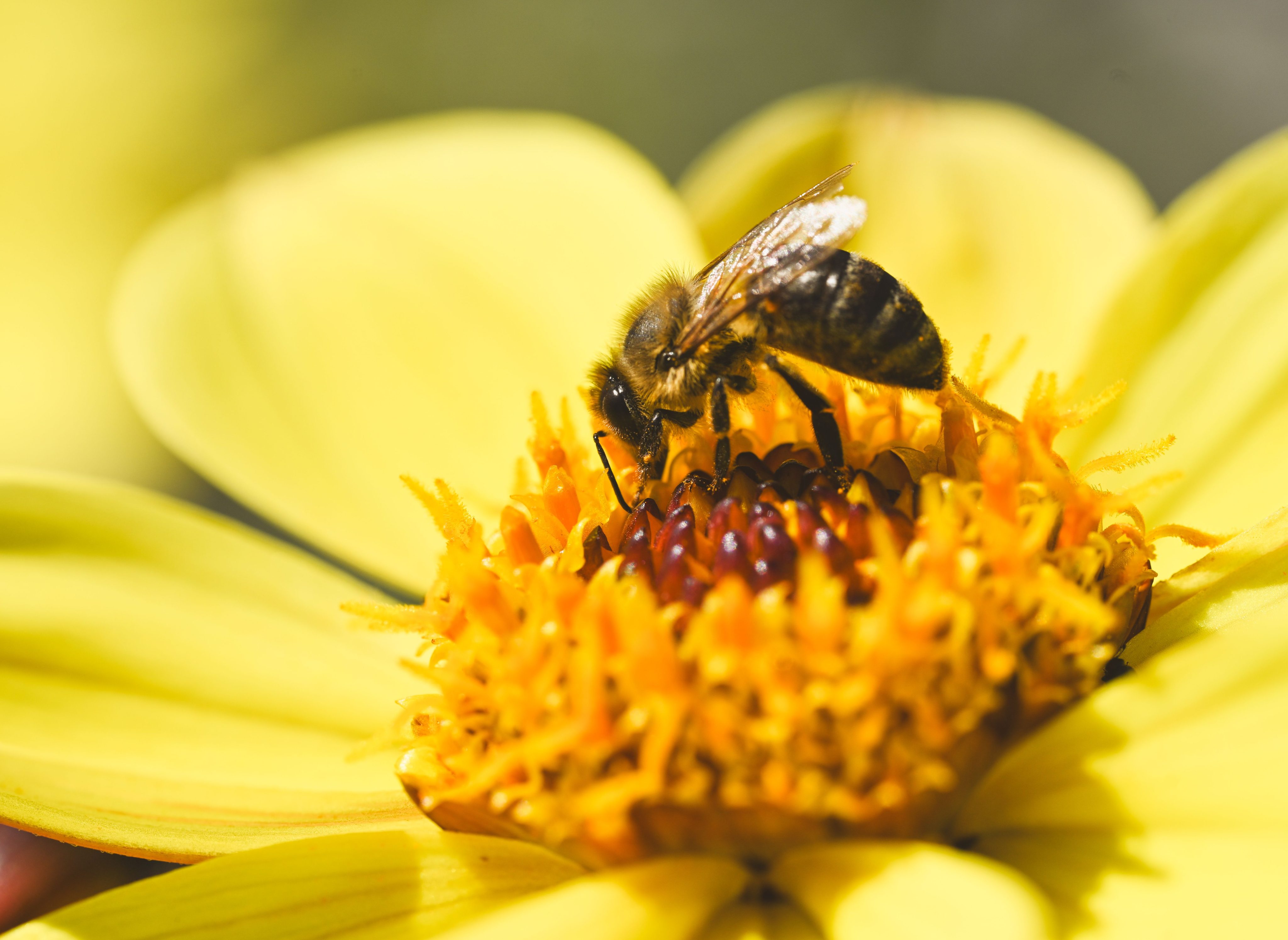
Their bees forage alfalfa, sweet clover, and prairie wildflowers, which is why the honey tastes like somewhere rather than like sweet. Angela and Andrew keep colonies in both Saskatchewan and British Columbia, and they take only the honey the bees won't need for themselves through winter.
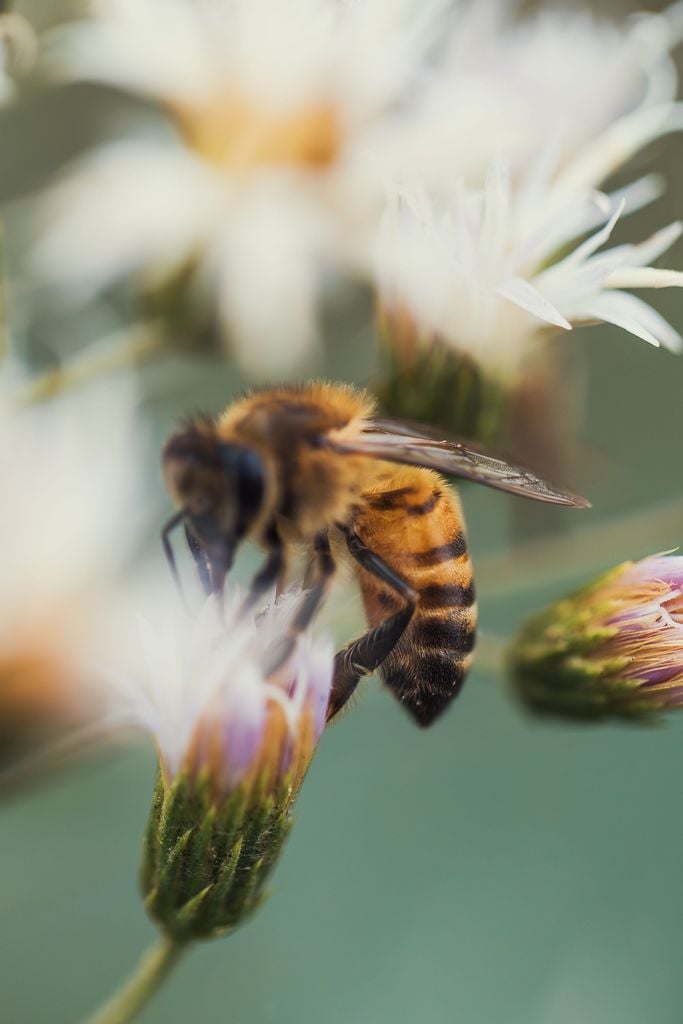
After that, they mostly stay out of the way. Minimal straining. No blending. No pasteurizing. What ends up in the jar is what came out of the hive, which sounds like the obvious way to do it until you turn over a few other jars and read the fine print.
There's a second business too. Canadian Bees and Queens, where they raise queens and teach other people to keep bees. And their white honey took a Platinum award at the London Honey Awards in 2022.
Neither of those is printed anywhere on the front of the jar. Which tells you something about them as well.
The ginger honey
Their lemon and ginger honey (Sunburst, on the label) is the one I'd hand you first. Pure Canadian honey, crystallized lemon, ginger. Bright and warm, with a little heat at the back of it. Good in tea, better on yogurt, and honestly wonderful straight off the spoon.

We've been taking a spoonful before bed.
Here I want to be careful. I've spent years studying nutrition and I won't hand you a health claim I can't stand behind. Honey and ginger before sleep is old kitchen wisdom, passed down through a lot of grandmothers, and the evidence for it is thin and mostly anecdotal. What I can tell you is what's happening in our house: we're sleeping better. Whether that's the ginger, or the ritual of standing in a quiet kitchen at ten o'clock with a spoon, I couldn't say. Probably some of both. I'll take it either way.
Why I'm writing this
I should say plainly: I have no arrangement with this company. Nothing comes to me if you buy from them. I paid for the honey.
What I do have is a network of people who care about where their food comes from, and every so often I meet someone who deserves to be standing in front of it. A couple who left the city, took over the family hives, and decided they would rather sell honest jars one at a time than a tanker of something anonymous.
That kind of stubbornness is getting rare. It's worth protecting, and the only real way to protect it is to buy from the people practising it.
There's a line I think about often, that the food we eat is either an investment in our health or a withdrawal from it. Honey made this way is an investment. It's also just a genuine pleasure, and pleasure is food for the soul in its own right.
Their honey ships across Canada and the United States. Free over $125, which a person can reach faster than expected once the caramels enter the picture. threeforagers.com
Go and read their story while you're there. Then buy a jar of the lemon and ginger. And if you find yourself three weeks later standing at your own counter with a spoon, telling someone about a couple in Saskatchewan and their bees, you'll know exactly what I mean.

Check out this article next