


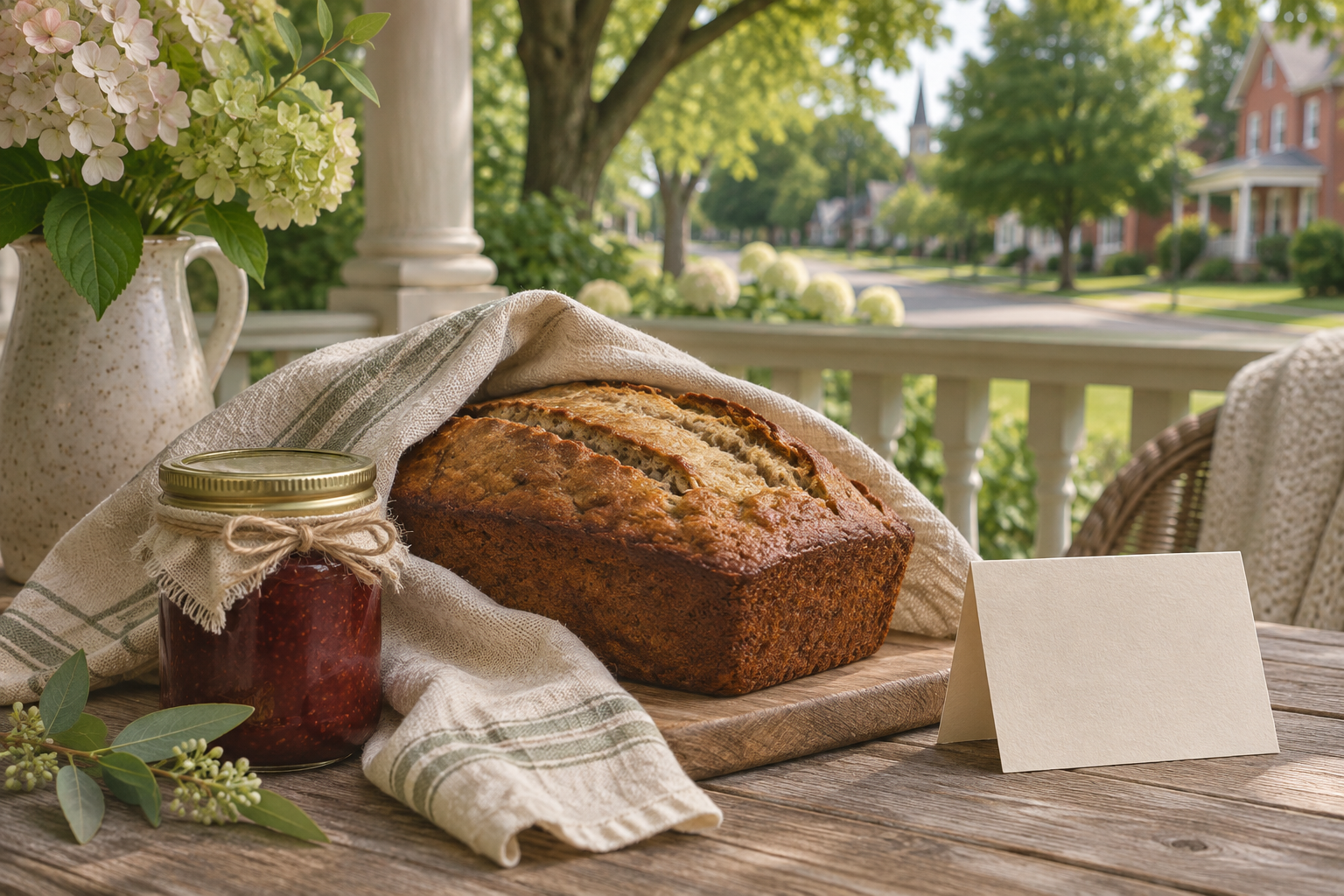
When we were children, a moving truck on the street set something in motion. By afternoon someone’s mother was in the kitchen, and before the boxes were unpacked a loaf of banana bread arrived at the new family’s door, still warm and wrapped in a tea towel. Sometimes it was a jar of homemade jam or a tin of cookies. A few weeks later there might be a casual gathering on a neighbour’s porch, so the newcomers could put faces to names.
If there were children, they were walked across the street and introduced to the kids their own age. By the end of summer, nobody remembered they were new.
Somewhere along the way, we stopped knocking.
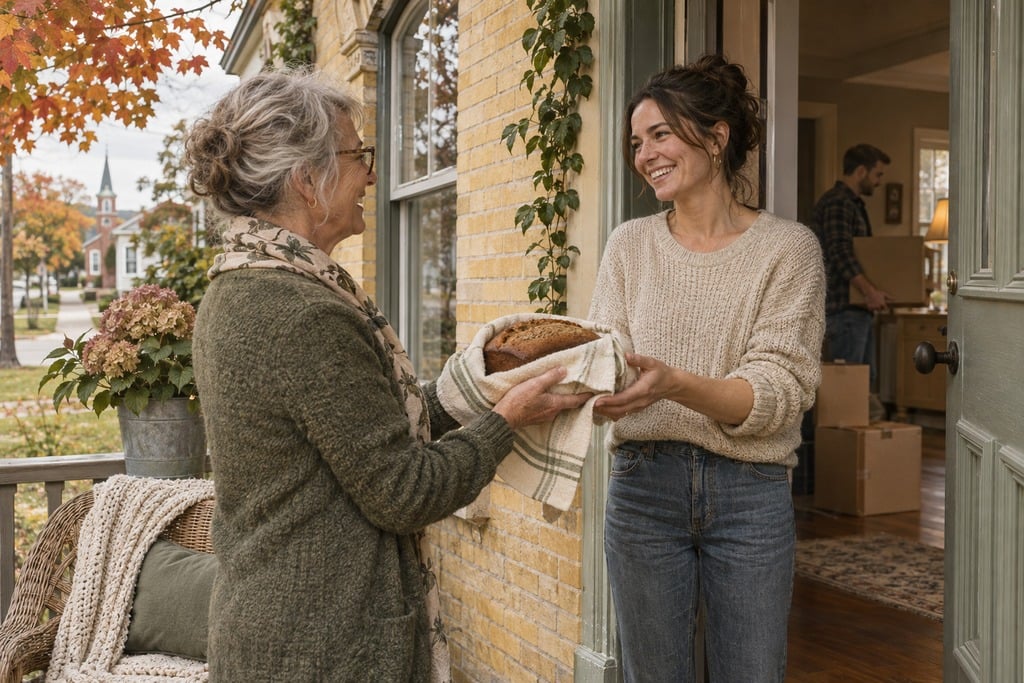
Life got busier. Long days and full calendars keep many of us behind the front door, along with a quiet worry about intruding. The numbers tell the story gently. In 2022, Statistics Canada found just over half of Canadians trust many or most of their neighbours, and in our largest cities fewer than half do. People who trust their neighbours report a stronger sense of belonging and more satisfaction with life. An earlier Ipsos poll found Canadians had shared a meal or a drink with only about 2 of their 10 closest neighbours in the previous 6 months.
I think we can do better. It feels good to make someone feel welcome, and it takes less than we imagine.
Two stories worth remembering
Vickey and Kevin Burton left Keswick, just north of Toronto, for the south shore of Prince Edward Island. In their first 3 months in Keswick, Vickey hadn’t spoken once to a neighbour. On the Island, they had barely started unloading the truck when a car pulled into the driveway.
“Hi, I’m Elaine’s husband, Dave. Welcome to the road.”
Dave McCormick left, came back with 2 more men, and the truck was empty in two and a half hours. Vickey kept walking away because she was crying. She had seen this kind of welcome on television; she never thought she’d live it.
Vaidehee Lanke was 9 when her family, who had come to Canada from India, bought their first home in Saskatoon. A day or two after they moved in, the doorbell rang. It was Denny and Pat from across the street. Over the years Pat taught Vaidehee’s mother to drive. Denny drove Vaidehee to school on the coldest days and parked in her driveway, 5 minutes early, so she wouldn’t have to cross the street in the cold. One summer he took her broken bicycle to the shop and introduced her there as his granddaughter.
Another family on the street learned what mattered to the Lankes. When Diwali came during the pandemic and nobody could gather, they sent over cookies shaped like diyas, the small lamps lit for the festival. That detail stays with me. They took the time to learn about her family’s culture, then met it with something baked by hand.
Put yourself in their shoes
Many of the people settling in Stratford come from Toronto and the GTA. They chose this place on purpose: the slower pace, the river, a walk to the market where someone knows your name. Still, they’ve left behind the friends who knew their story and the routines that made a week feel like theirs. In a city condo you can live for years without knowing who is down the hall, so a wave from a porch may surprise them at first. Give it time.
For someone arriving from another country, everything is new at once, right down to the winter and the unspoken rules of a small city. A friendly face in those first weeks is worth more than we can know.
People will never forget how you made them feel.
MAYA ANGELOU
Simple ways to make someone feel at home
Knock in the first week
Keep the visit short; they’re tired and surrounded by boxes. Tell them your name and how glad you are they’ve come.
Bring something made by hand
Banana bread or a jar of jam still says more than anything from a store. Tuck in a card with your name and phone number. If baking isn’t your gift, a few treats from a local maker carry the same warmth.
Share what you wish you’d known
Which day the recycling goes out, when leaf pickup happens, the plumber who actually calls back, where to find the good bread. A handwritten list on the back of your card is a lovely touch.
Offer one specific kindness
“Let me know if you need anything” is easy to say and hard to accept. “Can I walk your dog while you unpack?” or “We’re making chili tonight, can I bring some over?” is a gift they can say yes to.
Introduce them to one more neighbour
You are the bridge. A short introduction to the couple next door or the retired teacher who knows everyone saves them months of wondering.
Bring the children together
If there are kids, help them find the others close to their age. A first friend on the street makes a new house feel like home faster than anything a parent can do.
Make room at a small gathering
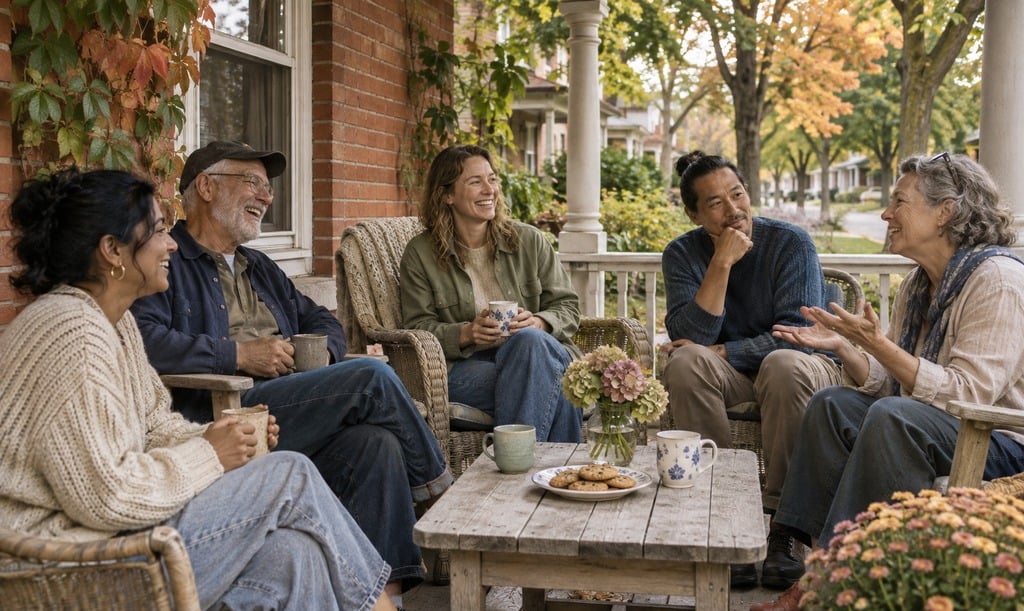
It doesn’t need to be an event. Coffee on the porch or an invitation to join your walk along the Avon is plenty.
Be curious about where they came from
Ask about home. If they come from another country, learn how to say hello in their language and notice the holidays that matter to them. You may find yourself with a new recipe and a new friend.
Keep waving
Belonging grows from small, repeated moments. The wave over the hedge in March counts as much as the banana bread in September.
A small act, a long memory
Our parents didn’t think of any of this as manners. It was simply how you treated the people who moved onto your street. We can bring it back, one loaf of banana bread at a time.
The next time a moving truck pulls in, turn on the oven.
Who welcomed you when you first arrived? I’d love to hear your story.
Check out this article next